
The role of gambling in shaping cultural identities around the world
Historical Context of Gambling
Gambling has been an integral part of human civilization for centuries, with evidence dating back to ancient China, Egypt, and Rome. These early forms of gambling were often intertwined with religious and social practices, as they provided a way for people to engage in chance and fate. The rituals associated with these games often reflected the values and beliefs of the societies in which they were played. For example, in ancient Rome, betting on gladiatorial contests was not just a leisure activity; it was a reflection of the societal hierarchy and the collective identity of the Roman people. For those seeking further insights, you can visit https://pirots-ca.com/.
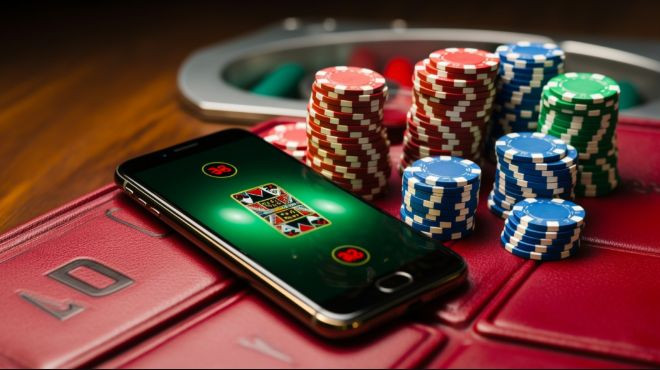
In many cultures, gambling was initially viewed as a means of fortune-telling or divination, which connected participants to a greater spiritual world. This cultural context helped to reinforce community ties, as local customs and traditions were often incorporated into gambling practices. The narratives that surrounded these games often highlighted the virtues of chance, destiny, and even moral lessons, which shaped the cultural identities of the communities involved.
As societies evolved, so too did their attitudes toward gambling. From the prohibition of gambling in some cultures to its acceptance and normalization in others, the historical trajectory of gambling reflects broader societal changes. This transition not only illustrates the dynamic nature of cultural identity but also underscores the role that gambling plays in social cohesion and collective memory.
Gambling and Social Identity
The relationship between gambling and social identity is a complex one, often influenced by socioeconomic factors, cultural norms, and local traditions. In many communities, gambling serves as a social equalizer, allowing individuals from diverse backgrounds to come together, share experiences, and forge connections. This communal aspect of gambling often transcends class divisions, creating a unique social fabric that fosters solidarity among participants. Raising awareness of gambling addiction is crucial to ensuring this inclusivity remains beneficial.
However, gambling can also serve to reinforce social divisions. In cultures where gambling is stigmatized, individuals who participate may be marginalized or ostracized. This duality illustrates how gambling can shape identities not only on an individual level but also within the broader social context. For instance, in Indigenous communities, traditional forms of gambling have been revitalized as a means of cultural expression and identity, empowering members to reconnect with their heritage while also promoting community well-being.
The advent of digital gambling platforms has further complicated this relationship. Online gambling has created a global community that blurs geographical and cultural boundaries, enabling diverse interactions that were previously impossible. As individuals engage in these digital spaces, they often adopt new identities that reflect a blend of local and global influences, ultimately shaping their cultural identities in profound ways.
The Impact of Gambling on Local Economies
Gambling often plays a crucial role in the economic landscape of various regions. In many countries, legalizing gambling has led to significant economic benefits, including job creation, increased tourism, and enhanced government revenues. For instance, areas known for their casinos often become hubs for entertainment and hospitality, drawing visitors from far and wide who contribute to the local economy.
However, the economic benefits of gambling are not uniformly positive. In some regions, the introduction of gambling has led to social challenges, including gambling addiction and related societal issues. These challenges can strain local economies and create a paradox where the financial gains from gambling are offset by the costs associated with addiction and its repercussions. This dilemma highlights the need for responsible gambling practices and community support systems to address the complex economic and social impacts.
Moreover, the cultural significance of gambling in relation to local economies cannot be overlooked. Many communities have integrated gambling into their cultural festivals and events, creating a distinct identity that celebrates their heritage while simultaneously promoting economic growth. This interplay between culture and economy exemplifies how gambling can be both a driver of prosperity and a source of cultural pride.
Gambling as a Reflection of Cultural Values
Gambling often serves as a mirror that reflects the underlying values and beliefs of a culture. In societies where chance and luck are celebrated, gambling becomes a celebrated pastime that aligns with cultural attitudes towards fate and destiny. For example, in many Asian cultures, games like Mahjong are not merely games of chance but are imbued with cultural significance, representing family unity and social gatherings.
Conversely, in cultures that view gambling as morally questionable, the practice can be met with resistance, leading to the establishment of laws and social norms that discourage participation. This tension between acceptance and rejection reveals much about a culture’s values regarding risk, reward, and personal responsibility. It raises questions about the ethical implications of gambling and its role in individual vs. collective identity.
Furthermore, as cultures become more interconnected through globalization, the values associated with gambling are being redefined. New forms of gambling, such as online betting and esports, are emerging and challenging traditional views. These developments signify a cultural shift that may alter how societies perceive luck, risk, and community, ultimately reshaping cultural identities across the globe.
Exploring Cultural Diversity in Gambling
The diversity of gambling practices around the world is a fascinating testament to cultural variation. From the betting traditions in the UK and the lottery systems in the United States to the gaming practices in Macau, each culture has its unique approach to gambling that reflects its historical context, social structure, and values. This diversity provides a rich tapestry that illustrates how gambling is interwoven with cultural identity.
For instance, in many African cultures, gambling is often linked to communal activities and traditional ceremonies, where games serve to reinforce social ties. These forms of gambling are deeply rooted in the community’s cultural practices and often have spiritual significance. Similarly, in Japan, Pachinko parlors are not just venues for gambling; they are cultural institutions that provide social spaces for interaction and entertainment.
As globalization continues to influence local cultures, traditional gambling practices are increasingly being adapted or transformed. This blending of cultural elements often results in new forms of gambling that retain essential aspects of the original practices while also embracing modern innovations. This evolving landscape poses both opportunities and challenges for cultural preservation, highlighting the ongoing negotiation between tradition and modernity.

Conclusion and Reflection on Cultural Identity through Gambling
As we explore the complex interplay between gambling and cultural identity, it becomes evident that gambling is not merely a form of entertainment; it is a powerful tool that shapes societal values, social structures, and economic realities. The historical context, social implications, and cultural diversity of gambling illustrate its multifaceted role in society. This exploration challenges us to reflect on our own attitudes towards gambling and the broader implications it has on cultural identity.
Ultimately, understanding the role of gambling in shaping cultural identities enriches our perspective on both individual and collective experiences. As we navigate the intricate landscape of gambling across the globe, we gain insight into the diverse ways in which communities engage with chance and risk, revealing the profound impact that gambling has on our lives and identities.